
Through our partnership with Nordic Lawns, SportsTurf Maintenance brings hybrid grass reinforcement to three areas where natural grass struggles most: football goal mouths on sports grounds, playgrounds and high-traffic areas at schools, and busy campsites.
A reinforcing mat sits within the turf profile, strengthening the surface while natural grass grows through it. The result is still living grass, but better supported where footfall and wear are greatest, from the goalmouth to the school field to the campsite pitch.


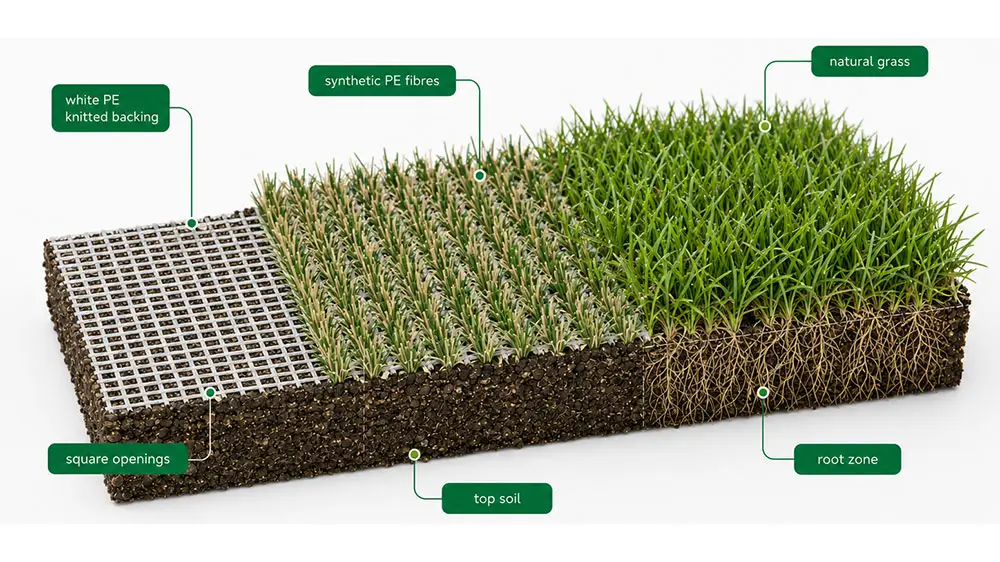
Hybrid grass combines a reinforcing mat with real natural grass. The mat sits within the turf profile, and grass roots and shoots grow through and around it, stabilising the surface. It is especially effective in football goal mouths, school playgrounds and other high-traffic school areas, and campsites, where concentrated wear quickly turns grass to bare ground.
The result is still a living grass surface, just better supported where footfall and wear are greatest. STM pairs the Nordic Lawns system with the specialist turf preparation and ongoing maintenance the grass needs to thrive.
Want to know what the installation involves? See our detailed hybrid grass installation guide for a step-by-step look at how we prepare, lay and establish the surface.
Repeated footfall, sport, machinery and wet weather quickly lead to thin turf, compacted soil, mud and bare patches. Too often, the same areas are repaired again and again without fixing the cause.
From traditional renovation to hybrid reinforcement, we assess how an area is used and recommend the right solution for the site.


Grass needs healthy soil, good drainage, light, nutrients and recovery time. In heavily used areas, that balance is disrupted by:
Once grass thins, the exposed soil wears faster, turning to mud in the wet and hardening in the dry. Reseeding helps temporarily, but if the cause remains, the problem returns.
Goalkeepers and repeated match play concentrate wear into a small area. Reinforcement supports the turf while grass keeps growing through. See our goal mouth installation guide.
Players, coaches and officials use the same narrow strips, which wear far faster than the rest of the pitch.
Hundreds of pupils taking the same shortcut every day soon wear a bare, muddy track.
Players, spectators and machinery funnel through access points, wearing them out even when the pitch is healthy.
Fixtures, events and gatherings put intense pressure on standing areas and walkways.
Could hybrid grass help your site? It’s worth a look if an area keeps going bare, can’t recover between uses, needs frequent repair, or its use can’t realistically be reduced.
Not every worn area needs hybrid reinforcement. Often, better turf management is enough:
We find out why an area is failing before recommending a fix. Where heavy traffic is unavoidable, hybrid reinforcement offers a more durable long-term solution.

We inspect the area and discuss how it’s used, looking at traffic levels, turf condition, compaction, drainage and previous repairs.
Is the problem maintenance, soil, drainage, concentrated wear, or a combination?
Turf renovation, a revised maintenance programme, drainage work or hybrid reinforcement. Not every worn area needs the same fix.
We plan the work around how your site operates and suitable growing conditions.
Reinforced grass is still living grass. We can advise on, or deliver, the turf programme it needs.
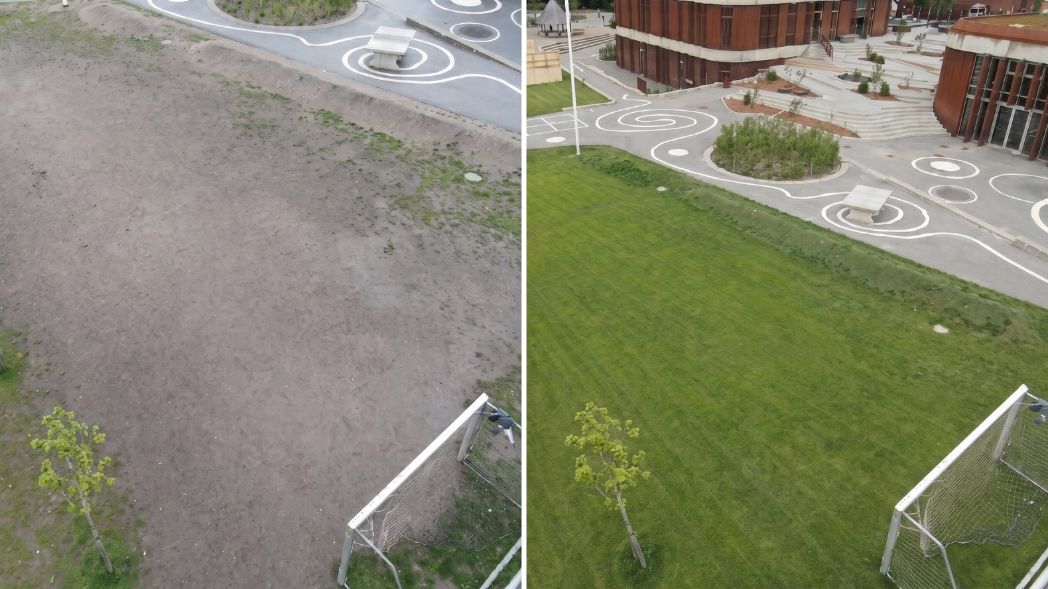
Sector: Sports pitch / football
The problem
Concentrated wear from goalkeepers, players and wet-weather use left the goal mouth bare while the rest of the pitch held up.
The solution
A targeted Nordic Lawns reinforcement system was installed in the high-wear area only, letting natural grass establish through it and reducing the need for repeated patch repair.
Have a goal mouth or pitch area that repeatedly fails? Book a high-traffic turf assessment.
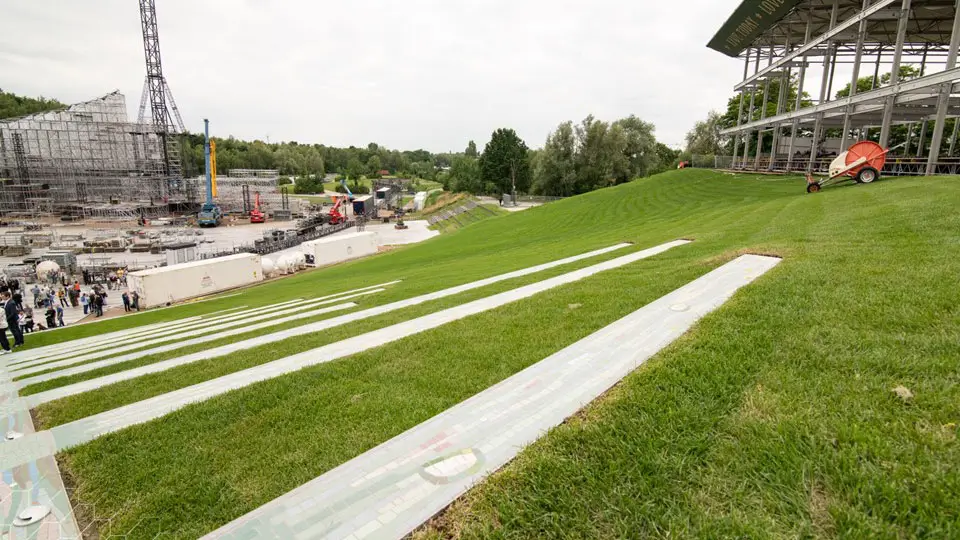
Sector: Festival / event environment
The problem
Huge crowds, temporary infrastructure and changing weather put extreme pressure on grass in key routes and high-footfall zones.
The solution
Nordic Lawns reinforcement was used in selected high-traffic areas to keep a natural grass surface under exceptional use.
Managing an event, venue or outdoor space with predictable high-footfall zones? Talk to STM about targeted reinforcement.
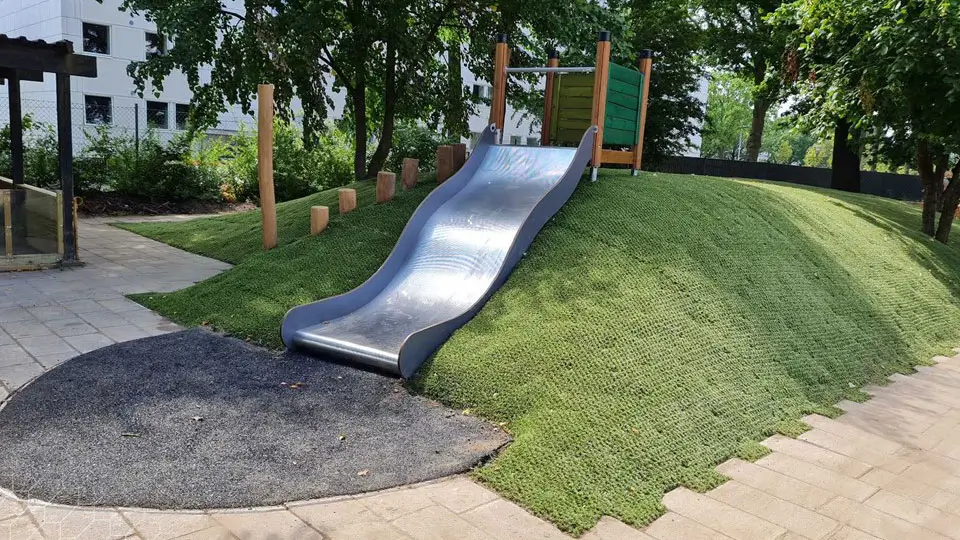
Sector: School / education
The problem
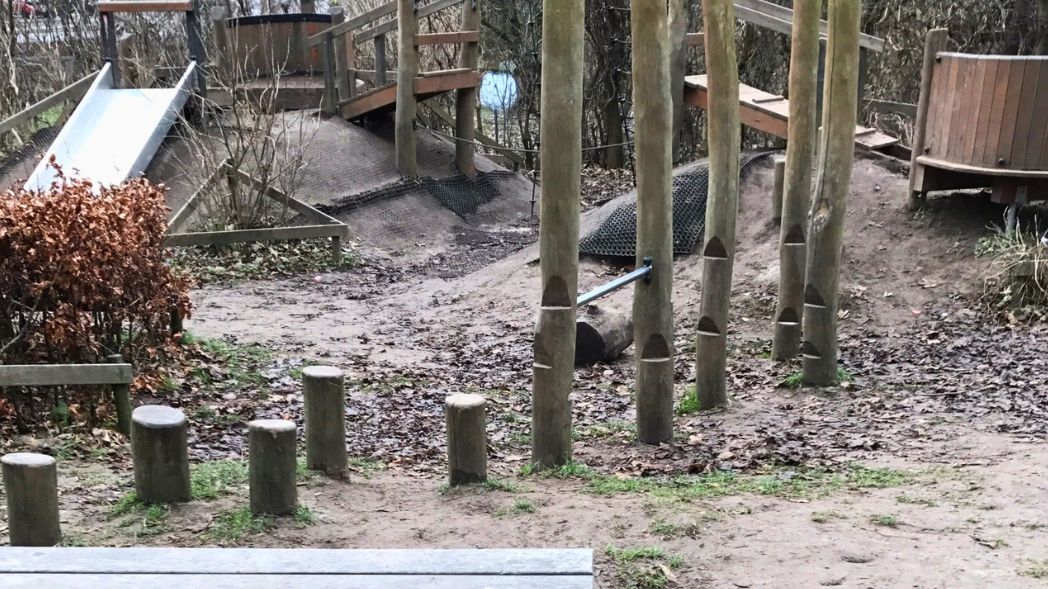
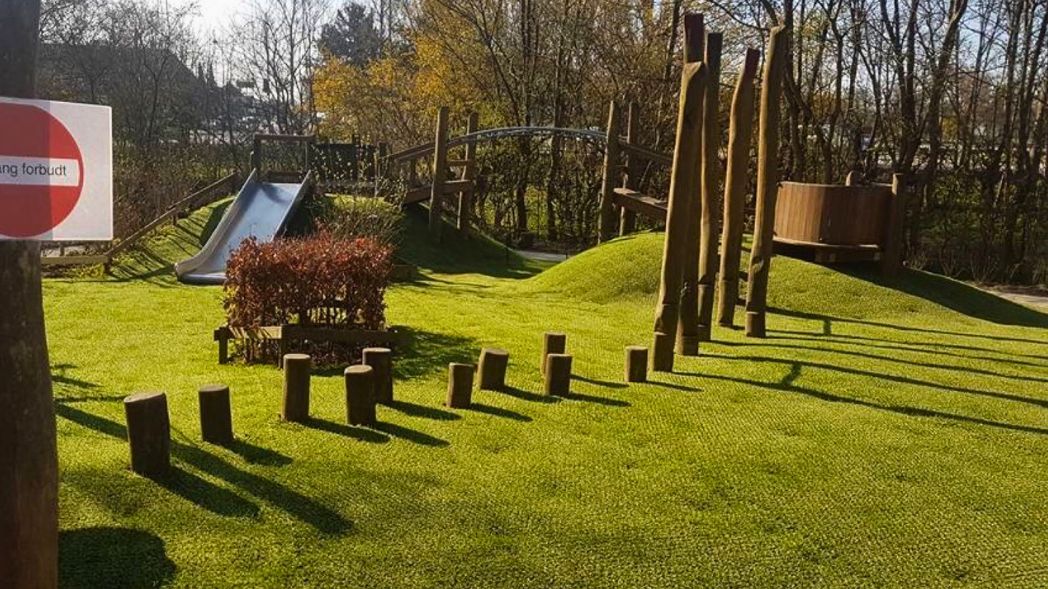
Playground edges, shortcuts and field entrances go bare and muddy from pupil traffic, even when the surrounding grass is healthy.
The solution
Selective reinforcement where traffic can’t be redirected keeps these areas green, soft and usable, with fewer seasonal repairs.
If the same school grass area is repaired every year, ask STM to assess whether reinforcement could offer a more durable solution.
There is no single grass type that is right for every high-traffic area. The best solution depends on factors such as the amount of use, soil conditions, drainage, sunlight, maintenance regime and how much recovery time the area receives.
For moderately used areas, an appropriate hard-wearing seed mixture combined with good soil management, aeration, feeding and overseeding may be sufficient. Where traffic is extremely concentrated or unavoidable, natural grass alone may continue to struggle regardless of the seed mixture used. In these locations, a hybrid grass reinforcement system may provide additional support while allowing natural grass to continue growing. STM assesses the individual site before recommending the most appropriate approach.
The first step is to understand why the grass is failing. Repeated foot traffic often causes soil compaction. Compacted soil reduces the movement of air and water around the roots, making it more difficult for healthy grass to establish.
A repair programme may therefore involve more than simply applying seed. Depending on the site, work might include aeration or decompaction, improving drainage, overseeding, top dressing, feeding and temporarily managing traffic while the turf establishes. If the same route will continue to receive very heavy use, reinforcement may provide a more sustainable solution than repeatedly repairing natural turf.
Yes, hybrid grass is designed to complement already existing turf. Most reinforcement systems are designed to integrate with natural grass, but the area still needs to be properly assessed and prepared to achieve the best result.
Factors such as soil condition, levels, drainage and the health of the existing turf all need to be considered. STM can inspect the area and recommend the appropriate preparation and installation method for the proposed system.
Hybrid grass can be particularly useful in schools because wear is often concentrated into very predictable locations. Examples include routes between buildings and playing fields, entrances to pitches, areas beside playgrounds and heavily used sections of sports pitches.
Where hundreds of pupils use the same grass area every day, conventional turf repairs can struggle to keep pace with the level of traffic. Targeted reinforcement can help improve the resilience of these areas while retaining the appearance and benefits of natural grass.
Yes. Goal mouths are one of the clearest potential applications for hybrid reinforcement. They experience extremely concentrated wear from goalkeepers and players, particularly during wet conditions, and it is common for goal mouths to deteriorate much more quickly than the remainder of the pitch.
Reinforcing these specific areas can help support the natural turf and reduce the frequency with which heavily worn sections need to be repaired. The suitability of any system should still be assessed against the pitch construction, usage and maintenance programme.
For a step-by-step overview of how the reinforcement is installed, read our hybrid grass goal mouth installation guide.
Yes, but it is important to understand why the area is muddy. If the main problem is poor drainage, installing reinforcement alone may not solve the underlying issue. Mud can result from a combination of waterlogging, soil compaction, loss of grass cover and excessive traffic.
STM therefore assesses drainage and soil condition alongside usage. Where concentrated traffic is damaging otherwise suitable ground, reinforcement may help maintain grass cover and surface stability. Where drainage is the primary issue, drainage or soil improvement work may also be required.
Installation time varies considerably depending on the size of the area, the type of system, existing ground conditions and how much preparation is required. A small targeted installation such as a goal mouth will naturally involve a different programme from a larger school or recreation area.
The establishment period for the natural grass also needs to be considered. Following a site assessment, STM can provide a proposed programme including preparation, installation and any establishment or restricted-use period required.
In most cases, hybrid grass still contains and relies upon living natural turf, so normal turf-management principles remain important. The area may still require mowing, feeding, aeration, irrigation, overseeding and other maintenance depending on its use and construction.
Hybrid reinforcement should therefore not be viewed as maintenance-free artificial grass. Its purpose is to help natural turf perform better under conditions where wear would otherwise be difficult to manage. STM can provide an appropriate maintenance programme following installation.
That depends on the area and how frequently repairs are currently required. Hybrid reinforcement generally involves a greater initial investment than simply reseeding a damaged patch of grass. However, the comparison should consider the whole-life cost of the area.
Repeated natural-turf repair can involve seed, soil or dressing materials, labour, machinery and periods when the area cannot be used effectively. If the same area requires significant repair every year, a more durable solution may prove better value over time. STM can help compare the current maintenance and repair requirement with the potential cost of reinforcement.
Hybrid grass tends to provide the greatest value where wear is highly concentrated and predictable. Examples include football goal mouths, player entrances, technical areas, heavily used school pathways, entrances to playing fields, spectator access routes, recreation areas and other small sections repeatedly damaged by foot traffic.
It may be less appropriate where turf failure is primarily caused by another unresolved issue such as severe drainage problems, inadequate light or poor soil conditions. That is why a site assessment is important before deciding on a solution.
Yes. Hybrid grass isn’t just for sports pitches and commercial spaces. It can also be an excellent solution for domestic gardens, particularly where traditional grass struggles with heavy foot traffic, children playing or pets.
By combining natural grass with reinforcing synthetic fibres, hybrid turf helps create a stronger, more durable lawn while maintaining the natural appearance and feel of real grass.
Whether you’re looking to improve worn areas or create a more resilient family garden, our team can assess your space and recommend the most suitable solution.
Yes. Football pitches are one of the ideal applications for hybrid grass, particularly where surfaces experience frequent use, heavy wear or challenging weather conditions.
Our hybrid grass system, developed in partnership with Nordic Lawns, reinforces natural turf with synthetic fibres to create a stronger, more durable playing surface.
This can help reduce pitch damage, improve recovery and allow for more consistent playing conditions throughout the season.
Hybrid grass can be particularly beneficial in high-wear areas such as goalmouths and training areas. It can also be considered for larger sections or entire pitches, depending on your requirements.
Our experienced team can assess your pitch, recommend the most effective approach for your facility and deliver the installation.
Hybrid grass typically requires a higher initial investment than traditional natural turf. However, its increased durability and potential to reduce ongoing repairs can make it a cost-effective solution over the longer term.
By reinforcing natural grass, hybrid turf can help reduce damage in heavily used areas, minimise maintenance downtime and increase the amount of play your pitch can accommodate.
Importantly, you don’t necessarily need to install hybrid grass across your entire pitch. Targeting high-wear areas, such as goalmouths and centre circles, can provide a more affordable way to experience the benefits.
Every football pitch is different, so installation costs will depend on the size of the area, existing ground conditions and your specific requirements.
Contact Sportsturf Maintenance for a free site assessment and we’ll help you explore the most suitable and cost-effective solution for your pitch.
If an area of your site continually becomes worn, bare or muddy, it may be worth looking beyond another temporary repair. STM can assess the problem and recommend a practical solution based on how the area is actually being used.
Don’t just take our word. Here is what our clients say about our work.
Questions about our services and solutions? Our team are on hand to answer your queries so please do reach out to us.
Looking to enhance your pitch or ground maintenance? Do you want to get more out of your sport surfaces and lawns?
Book a free consultation with our team for a personalised assessment.


